30 Remarkable People You Can Learn From
Thirty people, from Laozi twenty-five centuries ago to Maya Angelou in living memory. Philosophers, scientists, artists, activists and mystics, from East and West. They are sorted here into five eras, from the modern voices at the top down to antiquity at the floor. Every name opens a life story, twelve core teachings, and a conversation you can join.
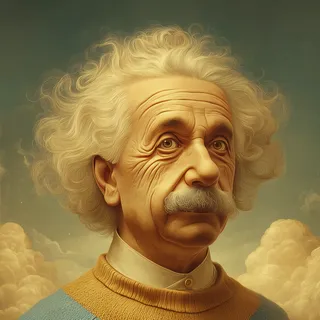
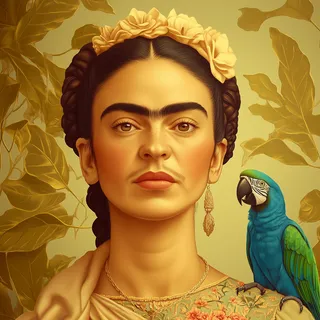
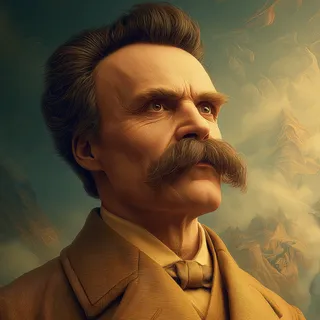
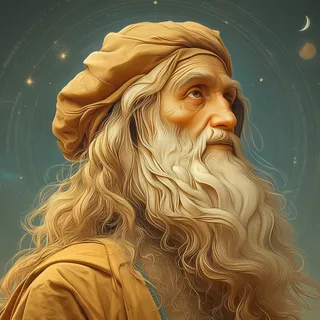
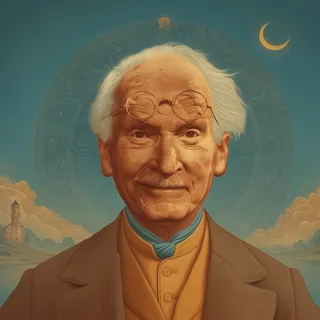
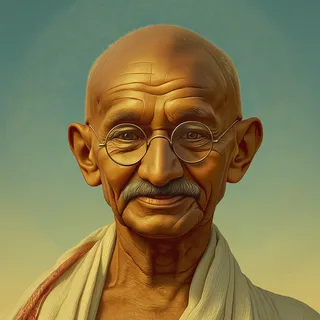
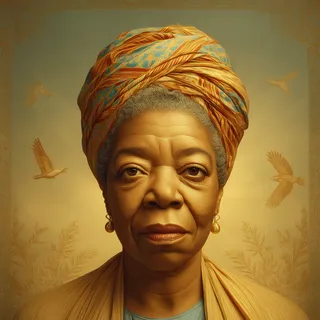
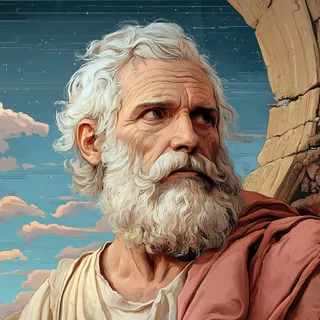
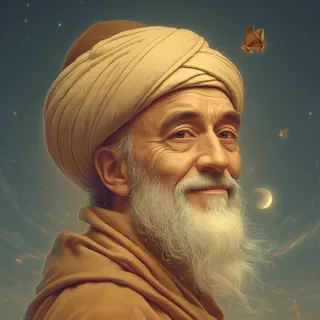
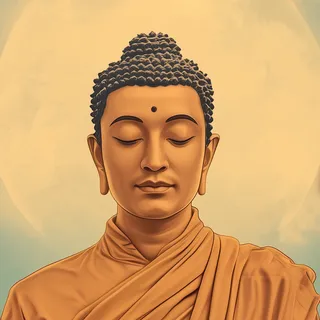
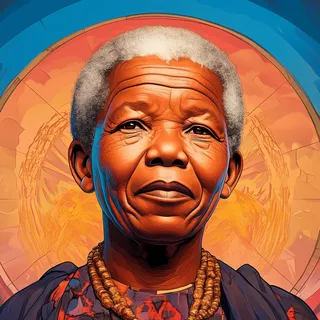
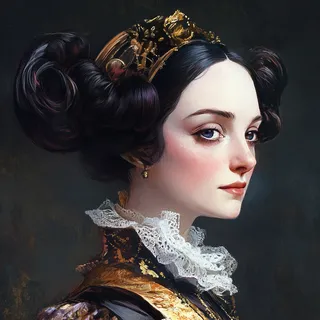
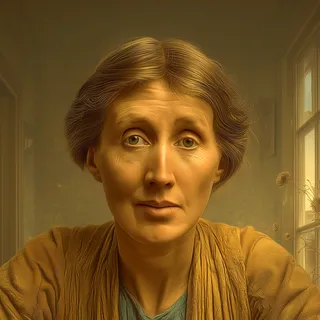
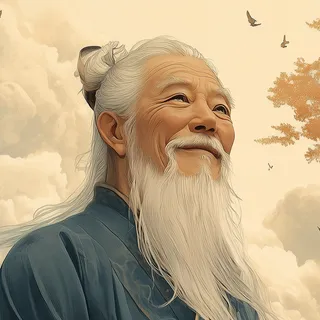
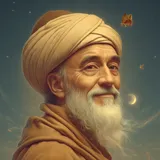
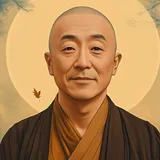
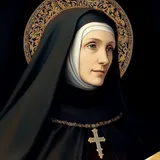
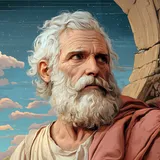
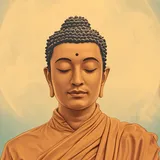
The voices here are what we call echoes. Each one is an AI voice shaped by a historical figure's own writing and ideas, brought into a conversation you can have today. They draw on real philosophy, and they stay interpretations, not the real people and not recordings. The portraits are AI-generated images, not photographs. Why we call them Echoes →
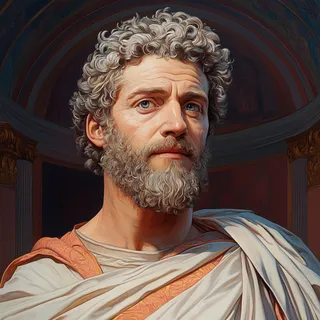
Marcus Aurelius
You will learn to question your first reaction.
Go deeper on one thing
The descent through time
The voices closest to us are at the top. The further you go, the older the question gets. The four oldest are waiting at the floor.
The Modern Voices
1900 to today
Close enough to touch. Their questions are still open.
Six people born in the twentieth century. They came through war, prison, illness and protest, and they wrote about it while it was still happening. That is why their answers still sound like they were meant for this week.
One question from this era is already waiting.
How do I make something out of pain without pretending it is fine?
Ask this questionAsk Frida KahloVoices from this era
 Martin Luther King Jr.You will learn to resist without hate.
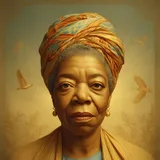 Maya AngelouYou will learn to find your own voice.
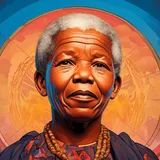 Nelson MandelaYou will learn to free yourself from bitterness.
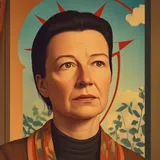 Simone de BeauvoirYou will learn to see how you were made.
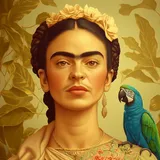 Frida KahloYou will learn to look at yourself without flinching.
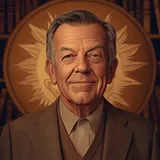 Joseph CampbellYou will learn to read your own turning points.
The Age of Steam and Ink
1800 to 1900
Machines got faster and so did life. These eight wrote by hand and asked what a person is underneath.
Trains, factories and the first computer program. In one century a poet in her bedroom, a woman leading people out of slavery and a doctor mapping dreams were all working on the same problem. What is a person made of when the old certainties stop holding?
One question from this era is already waiting.
Why does one particular person get under my skin so fast?
Ask this questionAsk Carl Gustav JungVoices from this era
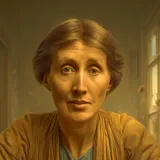 Virginia WoolfYou will learn to wake inside an ordinary moment.
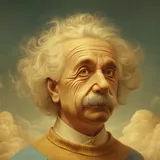 Albert EinsteinYou will learn to keep asking why.
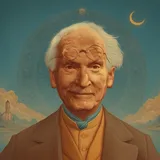 Carl Gustav JungYou will learn to meet your own shadow.
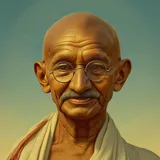 Mohandas GandhiYou will learn to stay willing to be wrong.
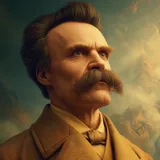 Friedrich NietzscheYou will learn to build your own meaning.
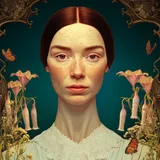 Emily DickinsonYou will learn to tell the truth slant.
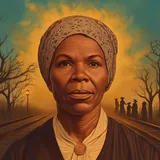 Harriet TubmanYou will learn to act before fear stops you.
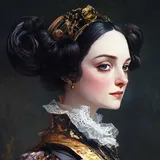 Ada LovelaceYou will learn to see what a thing could become.
Enlightenment and Renaissance
1450 to 1800
People started looking again and drew what they really saw. Then reason and feeling argued it out in the same rooms.
Three and a half centuries and the biggest shift in how Europe looked at the world. A painter took a body apart to learn how an arm moves. An astronomer pointed a new glass at the moon. All eight trained the same thing, attention.
One question from this era is already waiting.
I am curious about everything and finish nothing. Is that a flaw?
Ask this questionAsk Leonardo da VinciVoices from this era
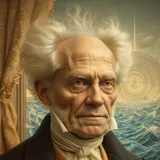 Arthur SchopenhauerYou will learn to see through the wanting.
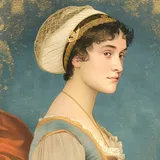 Jane AustenYou will learn to read what people don't say.
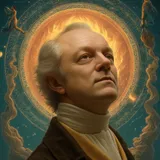 William BlakeYou will learn to see the chains you forged.
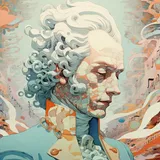 Wolfgang Amadeus MozartYou will learn to find freedom inside the rules.
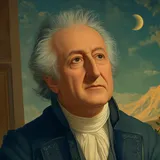 Johann Wolfgang von GoetheYou will learn to look until you understand.
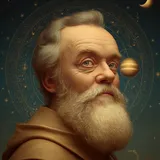 Galileo GalileiYou will learn to test what you are told.
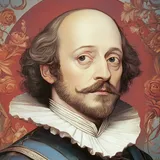 William ShakespeareYou will learn to see a person from inside.
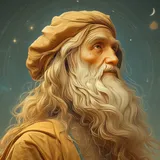 Leonardo da VinciYou will learn to train your own eye.
The Mystics
1000 to 1450
Silence, light, and a longing that outlives its language.
Four people from four traditions who never met. Two are German mystics, Hildegard von Bingen and Meister Eckhart. The other two are a Persian poet and a Japanese Zen master. They describe the same thing in different words, a stillness under the noise.
One question from this era is already waiting.
I miss something I cannot name. What is it?
Ask this questionAsk Rumi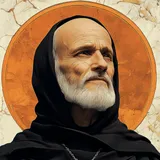
Antiquity
before 1000
The oldest questions, asked first, and never finished.
The floor of the well. Four voices from China, India, Greece and Rome, spread over seven hundred years and half the planet. They had no idea the others existed. All four asked how to live with a mind that will not sit still.
One question from this era is already waiting.
How do I stop small annoyances from taking my whole day?
Ask this questionAsk Marcus Aurelius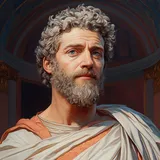
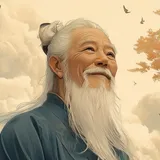
The floor. Thirty voices, five eras, roughly 2,500 years.
Browse by tradition
The same circle, cut a different way. Nine groups, and a few names show up twice.
Mysticism
The German mystics Hildegard von Bingen and Meister Eckhart, next to a Sufi poet and a Zen master. All four went looking for the same silence.
Antiquity and Stoicism
The oldest four. A Roman emperor writing notes to himself, a Greek asking impossible questions, and two teachers from Asia who said less and meant more.
Poetry
Four poets, among them the visionary poet William Blake and a recluse from Amherst who published almost nothing while she lived.
Philosophy
The people who took the questions apart. Meaning, will, freedom and the examined life, argued without a safety net.
Science and Nature
Four ways of looking closely. A telescope, a notebook of drawings, the first computer program and a thought experiment about light.
Liberation and Justice
Four people who refused, and who worked out how to refuse without becoming the thing they fought.
Psychology and Myth
The inner map. One traced the parts of yourself you disown, the other found the same story in every culture on earth.
Music and Art
Form and feeling. A composer inside strict rules, a painter who made her own injuries the subject, and a man who drew everything he saw.
Literature
Four writers who watch people for a living. What they notice is the part nobody says out loud.
All thirty, A to Z
Open any name to explore their life and ideas.

Maya Angelou
Poetry & Civil Rights
You will learn to find your own voice.

Marcus Aurelius
Stoicism
You will learn to question your first reaction.

Jane Austen
Literary Realism
You will learn to read what people don't say.

Simone de Beauvoir
Existentialist Feminism
You will learn to see how you were made.

Hildegard von Bingen
Christian Mysticism
You will learn to notice the life in things.

William Blake
Visionary Poetry
You will learn to see the chains you forged.

Joseph Campbell
Comparative Mythology
You will learn to read your own turning points.

Emily Dickinson
American Poetry
You will learn to tell the truth slant.

Dōgen Zenji
Zen Buddhism
You will learn to stop chasing the next moment.

Meister Eckhart
Christian Mysticism
You will learn to stop clutching what you love.

Albert Einstein
Theoretical Physics
You will learn to keep asking why.

Galileo Galilei
Natural Philosophy
You will learn to test what you are told.

Mohandas Gandhi
Nonviolent Resistance
You will learn to stay willing to be wrong.

Siddhartha Gautama
Buddhism
You will learn to watch wanting rise and fade.

Johann Wolfgang von Goethe
German Classicism
You will learn to look until you understand.

Carl Gustav Jung
Depth Psychology
You will learn to meet your own shadow.

Frida Kahlo
Art & Identity
You will learn to look at yourself without flinching.

Martin Luther King Jr.
Civil Rights & Theology
You will learn to resist without hate.

Laozi
Taoism
You will learn to act without forcing.

Ada Lovelace
Mathematics & Computing
You will learn to see what a thing could become.

Nelson Mandela
Ubuntu & Liberation
You will learn to free yourself from bitterness.

Wolfgang Amadeus Mozart
Classical Music
You will learn to find freedom inside the rules.

Friedrich Nietzsche
Existential Philosophy
You will learn to build your own meaning.

Plato
Classical Philosophy
You will learn to examine your own life.

Rumi
Sufi Mysticism
You will learn to let your longing guide you.

Arthur Schopenhauer
Philosophy of Will
You will learn to see through the wanting.

William Shakespeare
Renaissance Drama
You will learn to see a person from inside.

Harriet Tubman
Liberation & Faith
You will learn to act before fear stops you.

Leonardo da Vinci
Renaissance Polymath
You will learn to train your own eye.

Virginia Woolf
Modernist Literature
You will learn to wake inside an ordinary moment.
Or start from a question
Eight themes, each with a question and the voices that answer it.
- The question beneath every question.Who Am I?
- What binds us to each other?Love and Connection
- How do you find your own purpose?Meaning and Purpose
- Where do ideas come from?Mind and Creativity
- How should we live?The Moral Life
- Your freedom touches mine.Freedom and Justice
- What lies beyond what we know?Faith, Death, and Mystery
- How do we carry what we've lost?Loss and Grief
Questions people ask
Who are the 30 figures?
Thirty people across roughly 2,500 years, East and West: philosophers, scientists, artists, activists, and mystics. From Laozi, Siddhartha Gautama, Plato, and Marcus Aurelius in antiquity, through the mystics Hildegard von Bingen, Rumi, Dōgen Zenji, and Meister Eckhart, to Frida Kahlo, Maya Angelou, Nelson Mandela, and Martin Luther King Jr. in the twentieth century.
Is ancient wisdom still relevant today?
Yes. The questions barely change: how should I live, how do I carry loss, what makes a life worth living. Marcus Aurelius wrote private notes to himself about exactly these things on a frontier campaign, and Laozi wrote about acting without forcing. The circumstances are new, the human situation is old. That is why this timeless wisdom still works.
What is the best way to learn wisdom from history?
Start with what a person actually thought, then think it through yourself. In Agora Cosmica every figure opens with a narrated life story and twelve core teachings, both grounded in their real work. From there you can work an idea through by talking with that figure's AI Echo. The Echo is an interpretation, clearly labeled as such, never a recording and never the real person.
Is it free to use?
You get 30 free messages a day with no signup. Want more, bring your own OpenRouter key. The whole platform is open source under AGPL-3.0 and nonprofit, with no tracking cookies and no profiles of who you are.
Read on
Nonprofit · Open Source · No tracking cookies, no profiling
30 free messages a day. No signup needed.
Start Exploring